On 21 October 2026, we invited specialists from several large Swiss companies to an open AI exchange for the second time. At its centre was a simple question: how do you bring AI and enterprise content management together in a meaningful way?
Very different starting points
The round showed how differently far along the companies are. Some already run their own agent platforms with productive applications. Others, by their own account, are still at the beginning and looking for the right way in. What they all share is the wish for a central entry point through which AI can access all relevant systems, not just a single product.
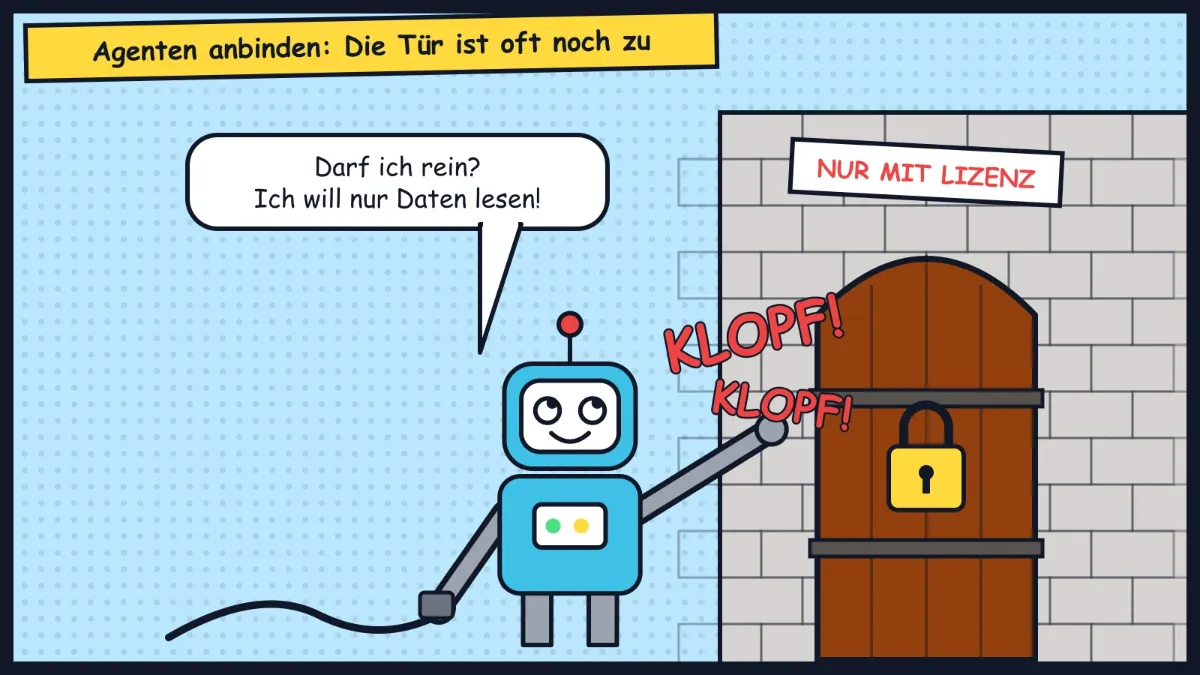
Connecting agents: technically simple, organisationally demanding
Connecting agents with one another, for example via MCP (Model Context Protocol) or A2A (Agent-to-Agent), is considered technically well solvable. The harder part is that business processes almost always span several systems: HR, ERP and document management interlock. Anyone who wants to use AI productively has to think these processes across system boundaries.
Vendor AI or your own vector database?
There was a lively discussion about whether to license the vendor's AI features or to index content yourself in your own
vector database. Both approaches have their merits:
Own solution: flexible, cross-system and feasible with common cloud models, without your own GPU infrastructure.
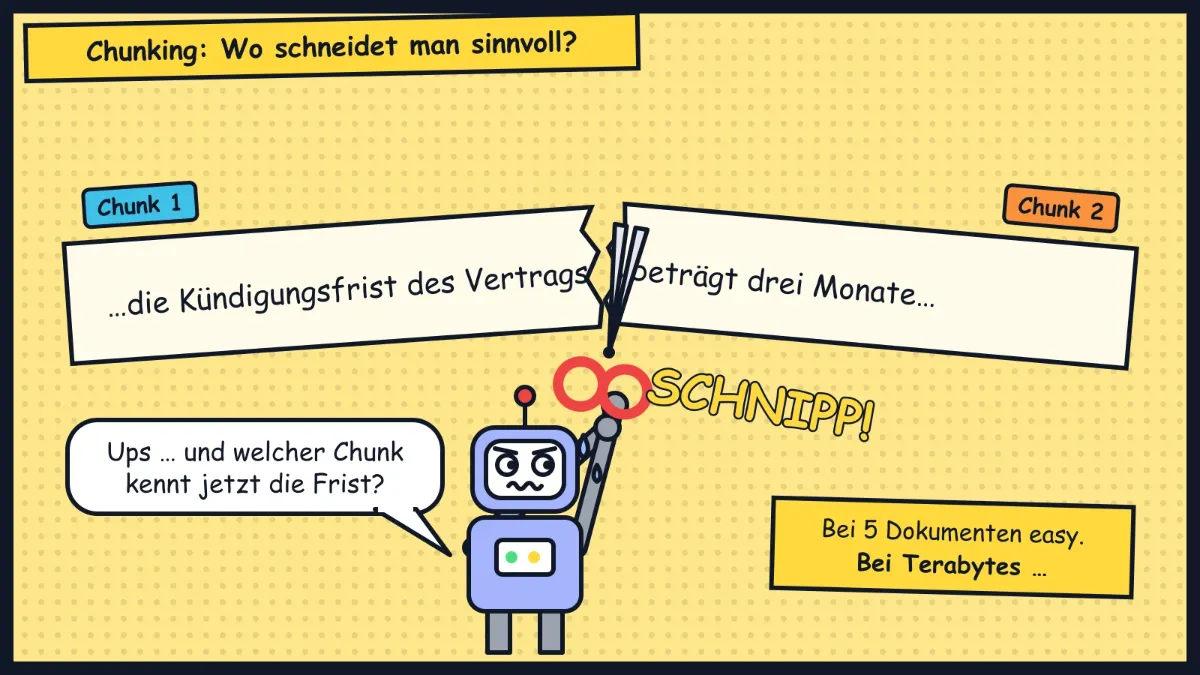
Vendor solution: it takes a lot of work off your hands, especially with large data volumes. This includes intelligent chunking and linking workspaces via a knowledge graph.
One thing became clear: with few documents, much is easy. With terabytes, the quality of the chunking decides the quality of the answers.
Licences: the most underestimated topic
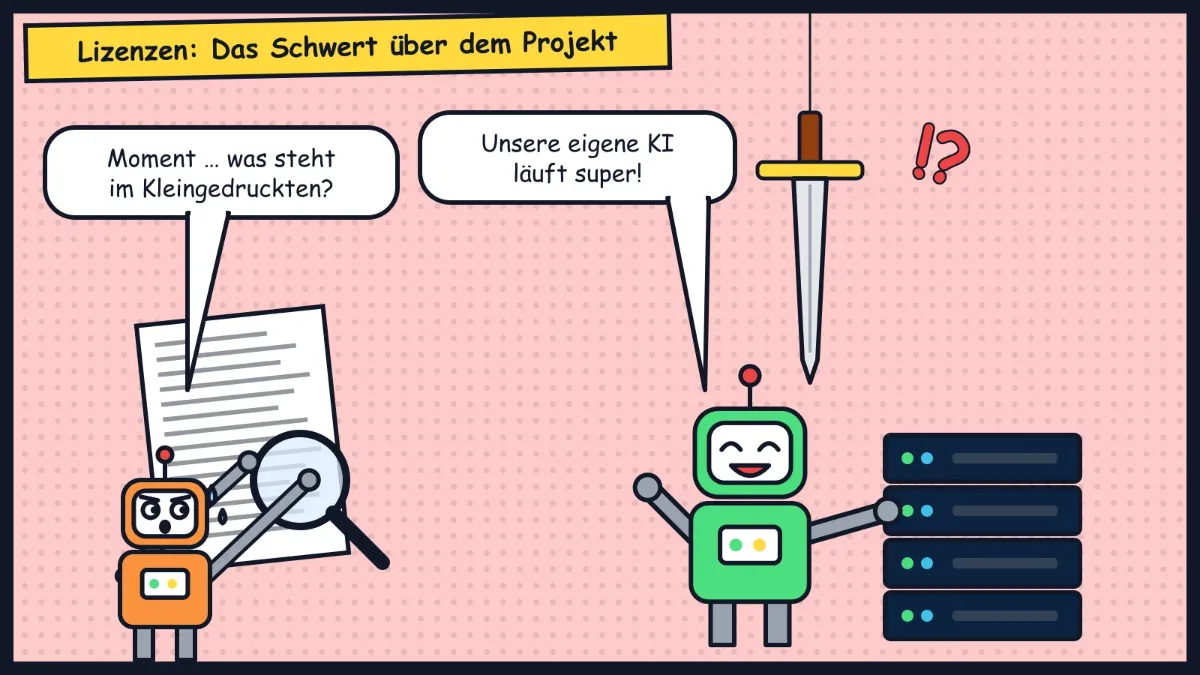
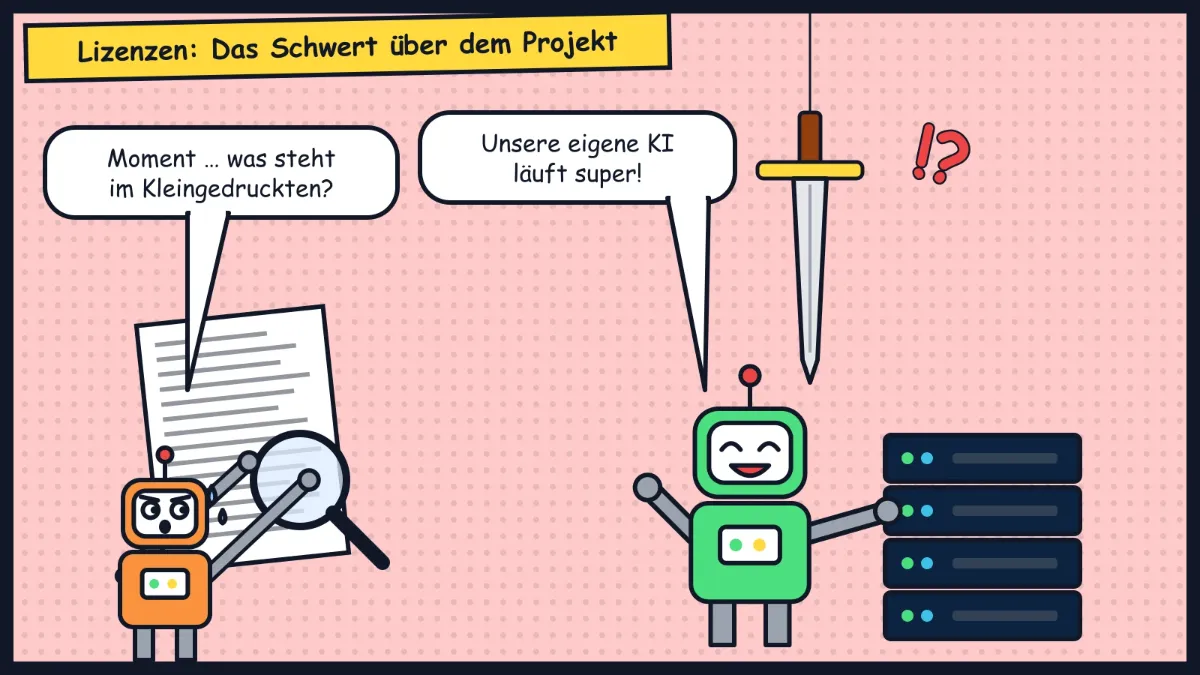
Anyone using vendor APIs for their own AI solutions should read the contracts carefully. What matters is how access happens. With user impersonation, you stay within the user licence and the existing permissions. Technical users, on the other hand, can trigger additional licences. Our recommendation: don't slow down innovation, but build on the safe side from the start.
Keeping costs and quality under control
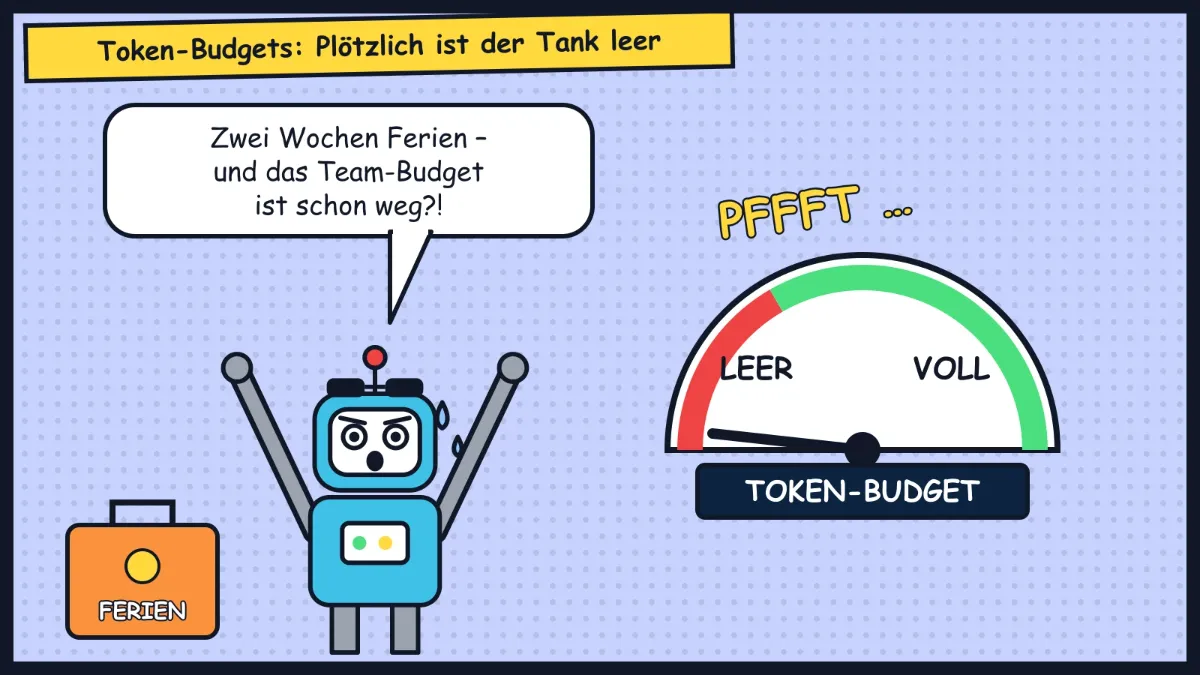
Token budgets are becoming the practical bottleneck. Thresholds, notifications and training belong in from the start.
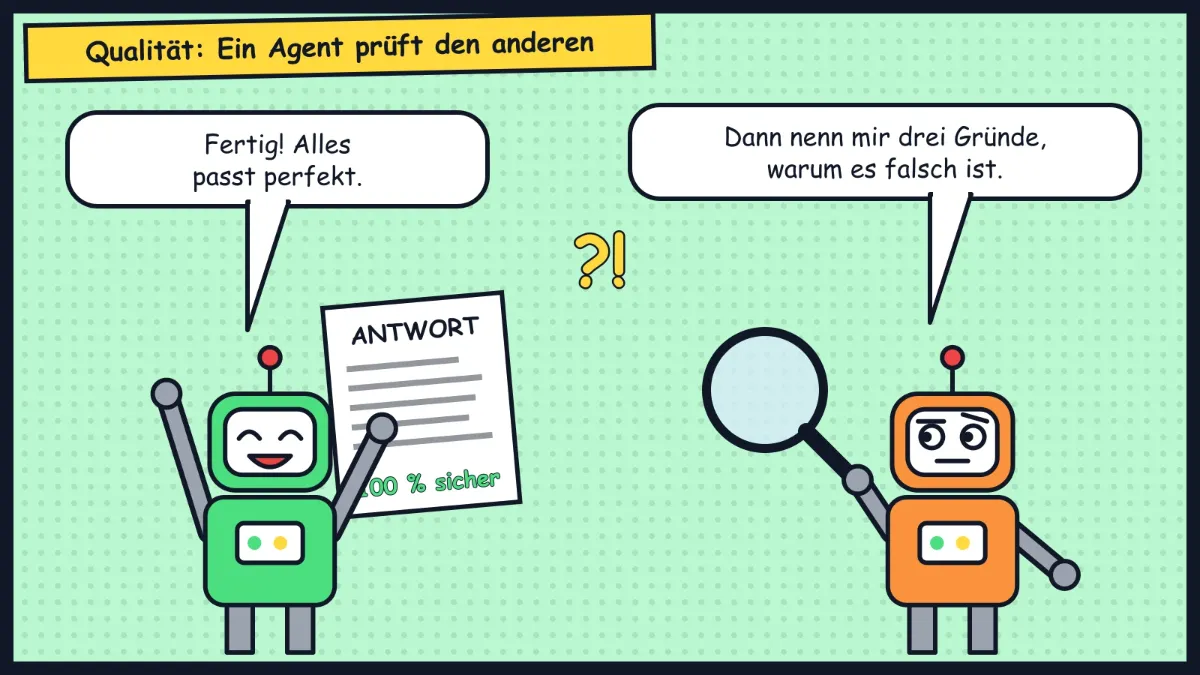
Four-eyes principle for agents: one agent does the work, a second one checks it critically. This prevents generative AI from filling gaps with invented data.
Human in the loop: AI takes work off people's hands and improves quality, but the final check stays with a human.
Our conclusion
The realistic use case for the near future is intelligent information search: AI that finds and summarises content. For every project, the same question counts: which use case, at what price, with which measurable savings?
From now on, the exchange will take place monthly. We thank all participants for their open insights and look forward to the next round.
Galerie